
Living in Mapo-gu: A Foreigner's Neighborhood Guide (2026)

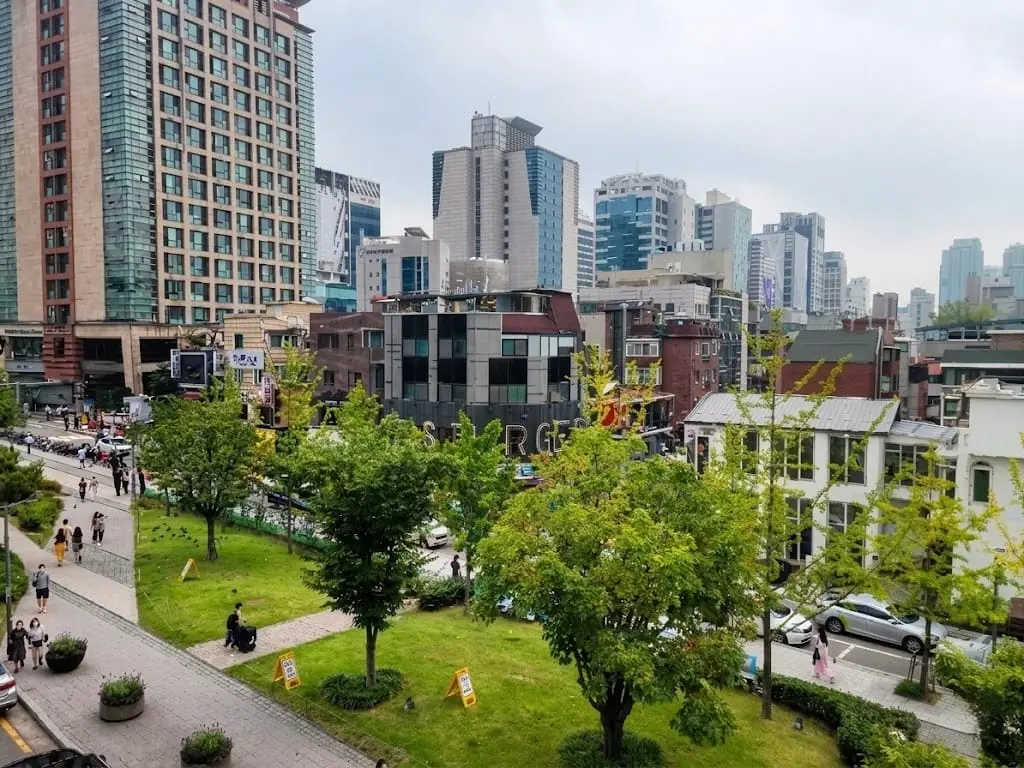
Mapo-gu is a large district on the northwest side of Seoul, north of the Han River, and it's the most popular base in the city for younger foreigners. Students, English teachers, remote workers, and digital nomads gravitate here because it's cheaper than Gangnam or Itaewon, exceptionally well connected, and packed with cafes, food, and a young international crowd. This guide breaks down the neighborhoods inside Mapo, what they cost, and who each one suits.
Why foreigners choose Mapo-gu
Mapo-gu is Seoul's creative and university district, anchored by Hongdae. Over the past 20 years it's shifted from a student quarter into one of the most liveable parts of the city for foreign residents who want energy and convenience without paying premium expat-district prices.
A few things pull people here. Rents run lower than Itaewon or Gangnam for a similar unit, the transit is among the best in Seoul, and daily life is easy thanks to the cafes, restaurants, markets, and the English spoken widely near the university.
It's also a study hub. Sogang University sits inside Mapo-gu, and Yonsei and Ewha are right over the line in neighboring Seodaemun-gu, so a lot of foreigners here are taking Korean classes within a short ride of home.
For paperwork, Mapo-gu residents are handled by the Seoul Southern Immigration Office, which is where you go for your Residence Card and related errands.
The Mapo-gu neighborhoods
Mapo isn't one place. It's a string of distinct neighborhoods, and which one you pick matters more than the district name on the lease. Here's the quick version, with rough studio rents:
- Hongdae. The commercial heart around Hongik University. The most convenient and most social, and by far the loudest on weekends. Best for short-to-medium stays, or anyone who wants to live in the middle of everything. Studios run about ₩700,000 to ₩1,000,000.
- Yeonnam-dong. Just north of Hongdae, trading the noise for cafes, quiet streets, and a residential feel. A favorite for freelancers and longer-term residents. Studios run around ₩700,000 to ₩1,100,000. We've written a full guide to living in Yeonnam-dong if you want the detail.
- Hapjeong. One stop south of Hongdae on Line 2, and a Line 6 transfer point on top of that. Calmer and more residential, popular with young professionals, with good cafes and the Mecenatpolis complex but none of Hongdae's weekend crush. Studios run about ₩650,000 to ₩1,000,000.
- Sangsu. Between Hongdae and the river. Artier and lower-key, with cafes and easy access to the Han River park. It suits people who want to walk to Hongdae but sleep somewhere quieter. Studios run around ₩600,000 to ₩900,000.
- Mangwon. Two stops out and the local favorite. Mangwon Market, a flat and walkable street grid, and the Han River park ten minutes away make it the best value, though it's getting busier on weekends and English signage thins out. Studios run about ₩580,000 to ₩900,000.
- Seongsan-dong. Residential and quiet, next to World Cup Park and the stadium, with supermarkets and a settled feel. One of the two neighborhoods where Cove operates. Studios run around ₩600,000 to ₩900,000.
- Sangam (DMC). The planned media-and-tech cluster, home to broadcasters like MBC and SBS. Modern and calm, and good for people working in media or tech who want a quiet home base. Studios run about ₩700,000 to ₩1,000,000.
How much does it cost to live in Mapo-gu?
A studio in Mapo-gu typically rents for ₩580,000 to ₩1,000,000 per month, based on actual transactions reported to Korea's Ministry of Land in late 2025 and early 2026. Older walk-up villas sit at the lower end and modern officetels at the upper end. Separate one-bedrooms cost more, usually starting around ₩900,000 and climbing past ₩1,200,000 in newer buildings.
Expect a deposit of ₩10 million to ₩15 million for most units, though ₩5 million options turn up further from the action. As everywhere in Korea, the deposit and the monthly rent trade off, so the same room can be listed cheaper per month if you put down a bigger deposit.
The trendier areas (Yeonnam-dong, Hongdae) sit at the top of the range. Mangwon and the older parts of Hapjeong are where the value is. On top of rent, budget for utilities and a management fee that runs from almost nothing in a small villa to ₩150,000 or more in a newer officetel.
If you'd rather skip the deposit and arrive to a furnished place, Cove runs furnished studios in Yeonnam-dong and Seongsan-dong from around ₩1,000,000 a month, with no large deposit and move-in within two weeks.
Getting around Mapo-gu
Mapo-gu is one of the best-connected districts in Seoul. It's served by Subway Lines 2, 5, and 6, the AREX airport line, and the Gyeongui-Jungang Line. Hongik University Station alone puts you on Line 2, the airport line, and the Gyeongui-Jungang Line, with Line 6 one stop away at Hapjeong.
Getting to the airport is simple. The AREX all-stop train from Hongik University Station reaches Incheon in about 50 minutes. (The faster express skips Hongik and runs only from Seoul Station.) Gangnam is a longer haul, around 40 minutes on Line 2, while City Hall is about 15.
Day to day, most of Mapo is walkable, and the Han River parks along the southern edge are a short ride from Mangwon, Hapjeong, and Sangsu. One thing to plan for: parking is tight across the whole district, so most residents skip the car.
Living logistics for foreigners
The same setup chain applies wherever in Mapo you land. Mapo-gu residents register for their Residence Card at the Seoul Southern Immigration Office, and you report your address at the local district office within 14 days of moving in.
English is easiest near Hongdae and the university belt, where landlords and agents deal with foreigners often. It thins out in the more local pockets like Mangwon, where you'll get further with some Korean or a translation app.
A practical tip residents repeat: if you want to sleep, don't take a place right next to Hongik University Station. Look at Yeonnam-dong, Mangwon, Sangsu, or Seongsan instead, where the weekend noise doesn't reach.
Who Mapo-gu suits, and who should look elsewhere
Mapo-gu is the best-value base in Seoul for young professionals, students, and digital nomads. The mix of lower rents, strong transit, a dense social scene, and decent English access makes it the default for people who want to be in the action without Itaewon or Gangnam prices.
It's a weaker fit for two groups. Families tend to look elsewhere for more green space and school options. And anyone who wants full expat infrastructure, meaning international clinics, Western supermarkets, and the largest foreign community, will find more of it in Itaewon and Yongsan.
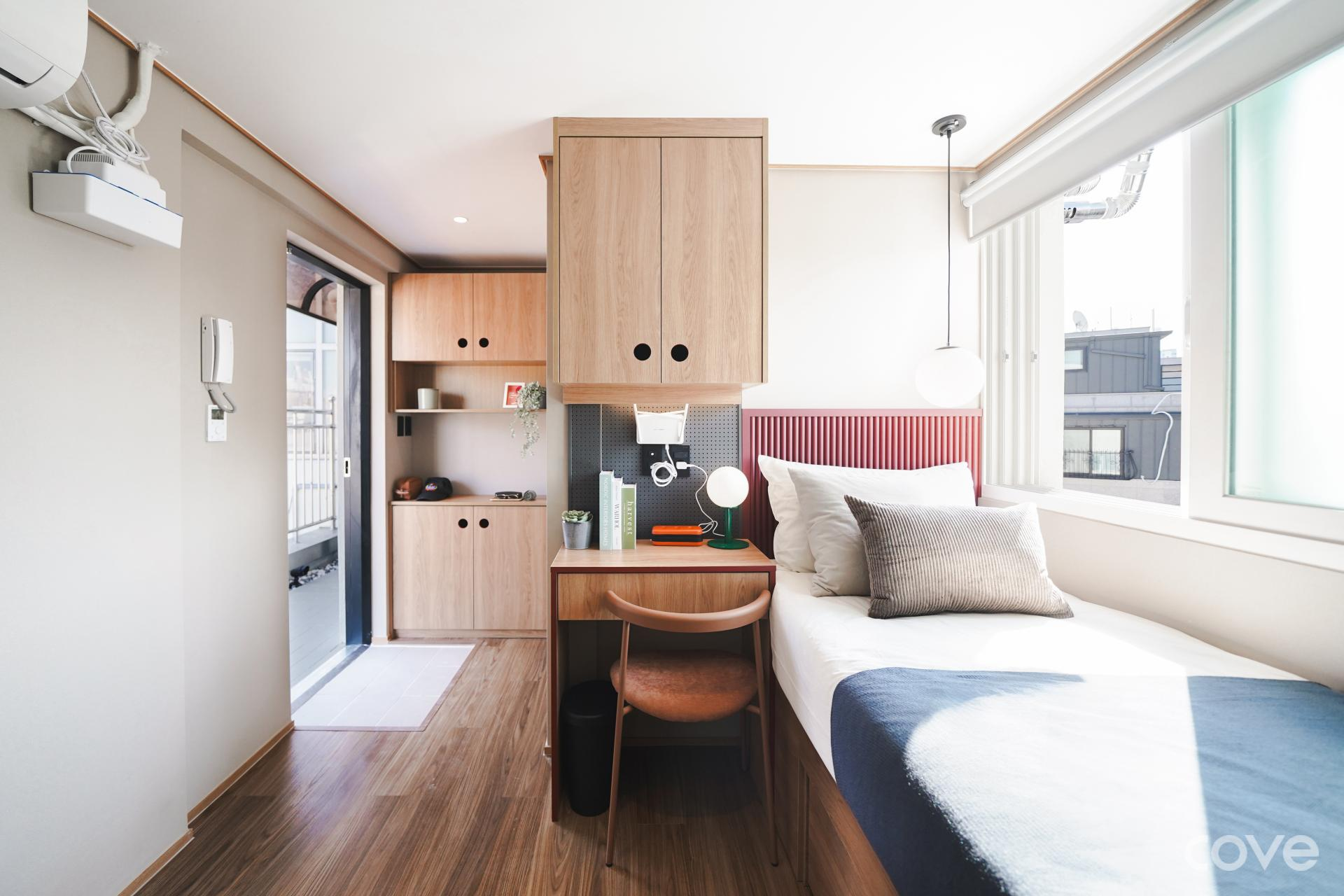
If Mapo sounds right, start with the neighborhood that matches your rhythm, then read our guide to renting an apartment in Seoul as a foreigner before you sign anything. Cove has furnished studios in Yeonnam-dong and Seongsan-dong, bookable in English with move-in within two weeks.